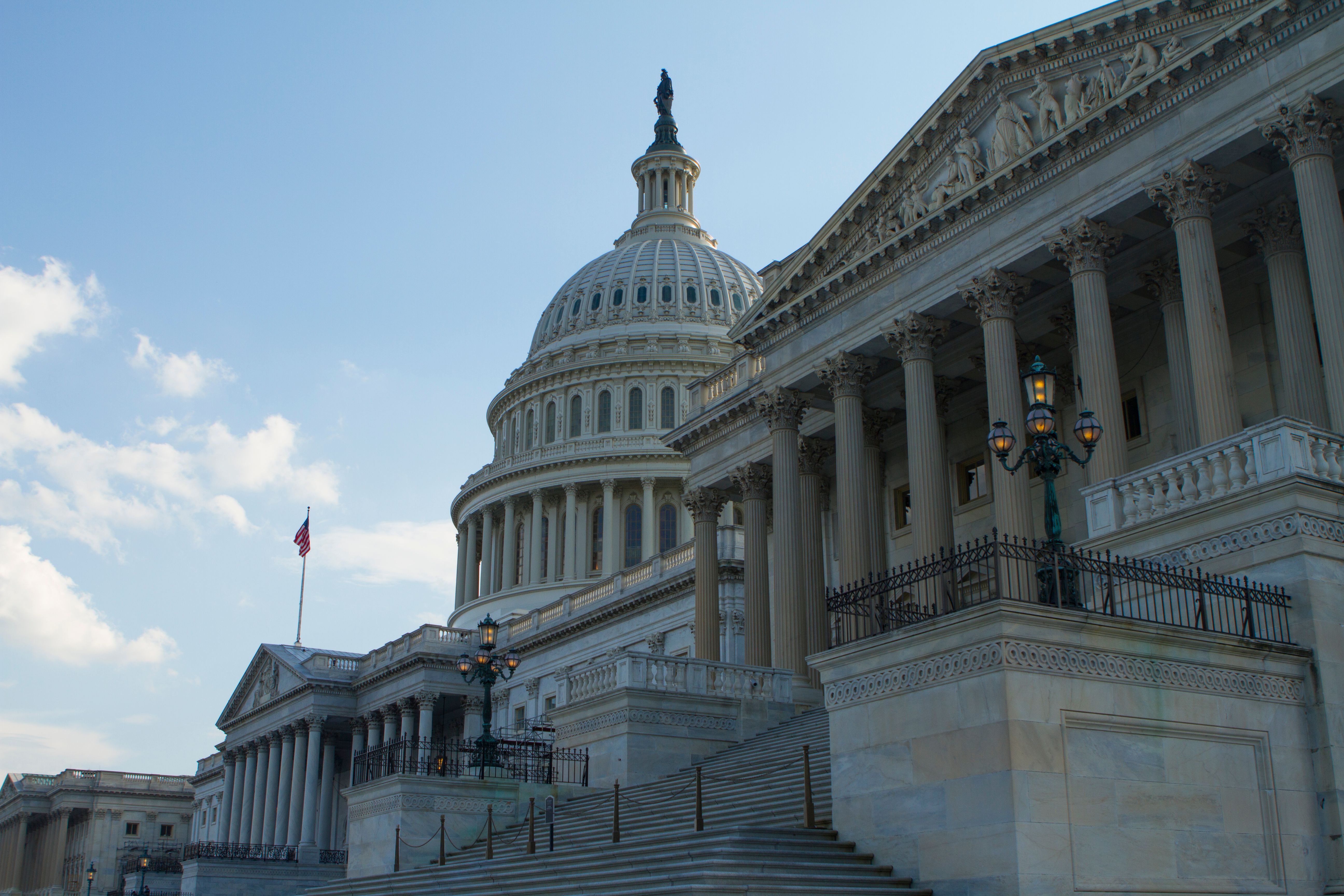
prediction markets are Exploiting the gambling market loophole
Congress must close the loophole that allows prediction markets
to offer sports betting and casino gambling outside the laws
that govern well-regulated gaming.
"Congress Must Stop the Prediction Market Gambling Loophole"


Prediction market companies are trying to classify sports betting and other forms of gaming as financial products governed by federal commodities law, rather than the gaming laws that have regulated lawful wagering for decades.
That distinction matters. It determines who regulates these products, what consumer protections apply, whether tribal sovereignty is protected, and whether states can continue to regulate gaming.
Lawful gaming is built on licensing, oversight, responsible requirements, age verification, integrity monitoring, and accountability.
Prediction market companies want a different set of rules that would let them offer gambling products without following the laws that apply to everyone else.
The answer should be simple: no company should be allowed to offer gambling while evading existing federal, state, and Tribal gaming laws.
Latest Developments
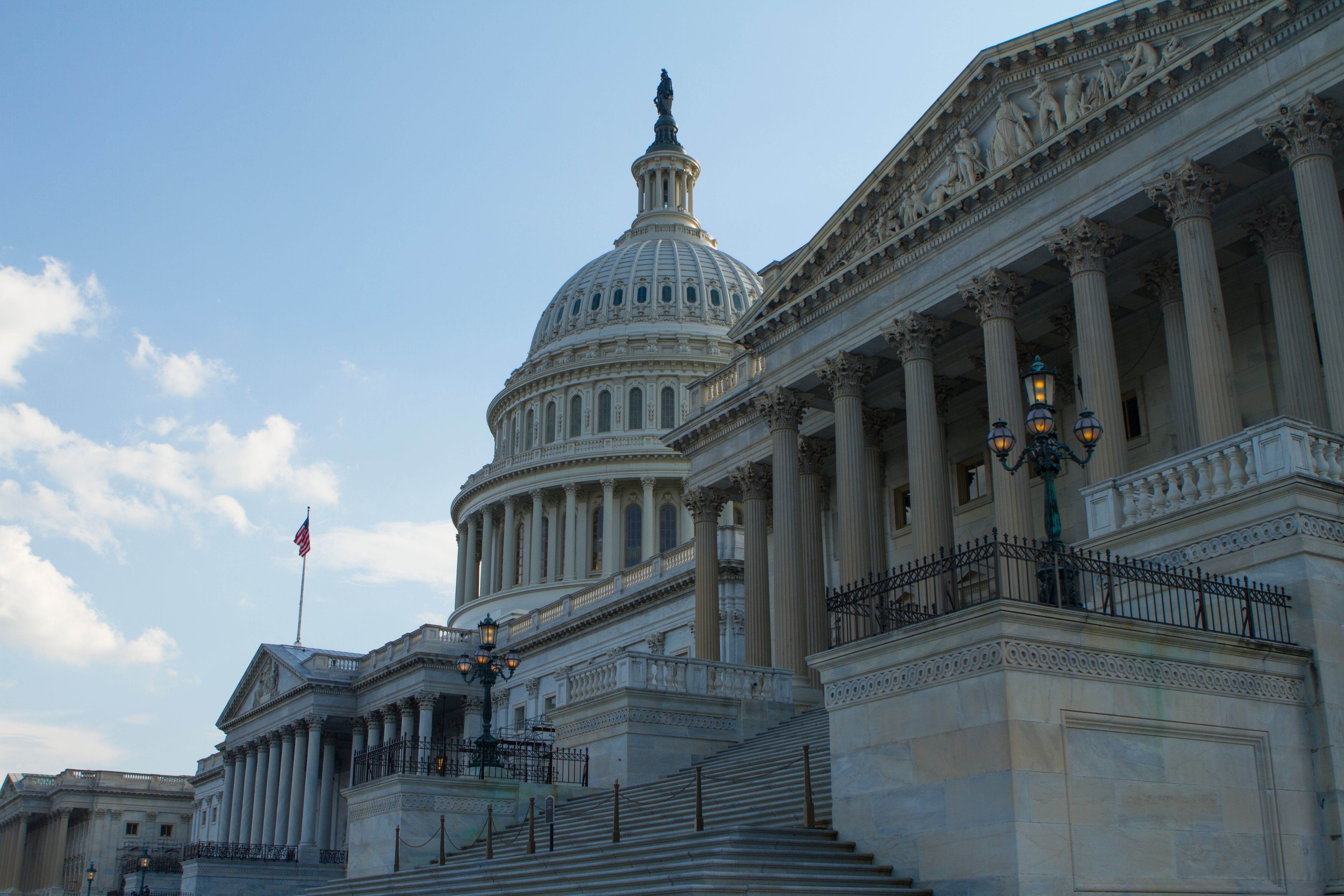
CNIGA Urges Senate Leadership Not to Advance CLARITY Act Without Tribal Sovereignty Protections
Statement from CNIGA Chairman James Siva on Ninth Circuit ruling
Tribal Leaders from Across the Nation to Hold Media Availability Following Roundtable with CFTC on Prediction Markets
_(55264578721).jpg)
Indian Gaming Association Opens 2026 Convention Focused on Illegal Prediction Markets
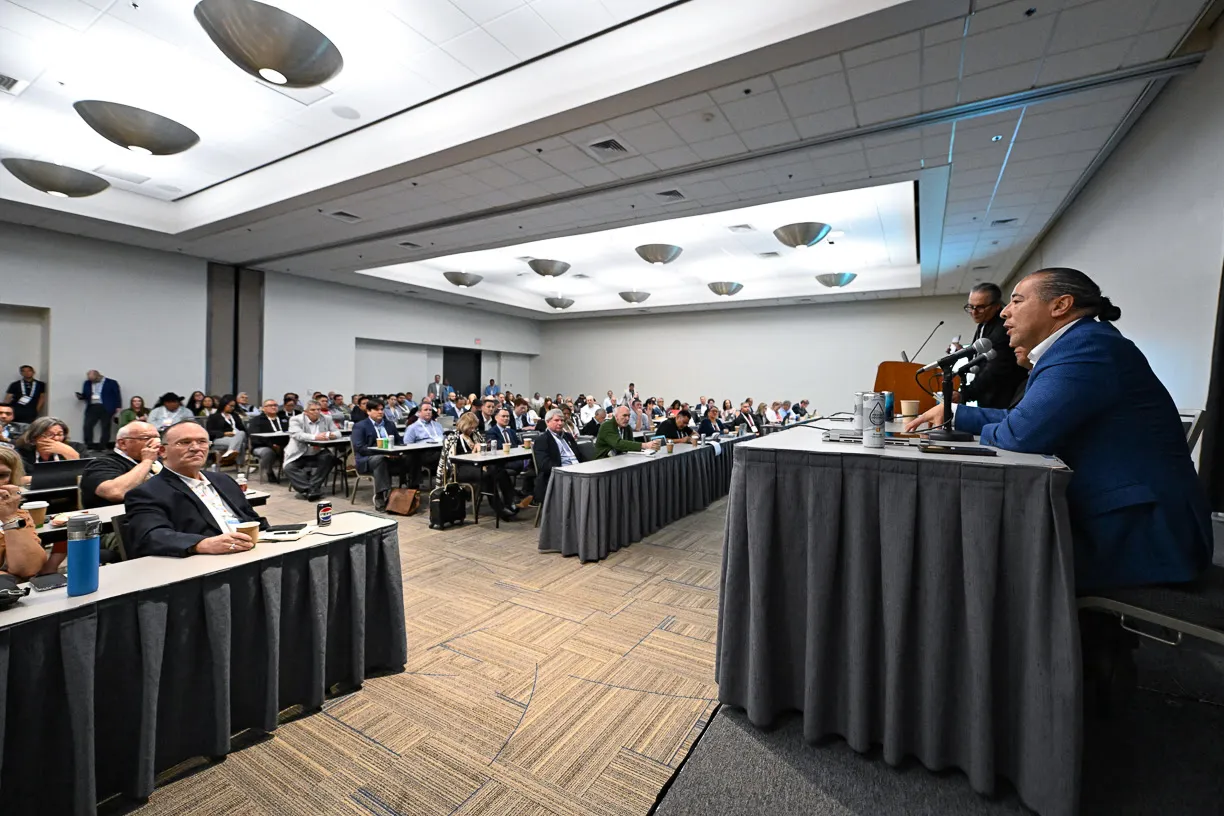
Tribal gaming leaders denounce prediction markets ahead of House Committee hearing on Kalshi
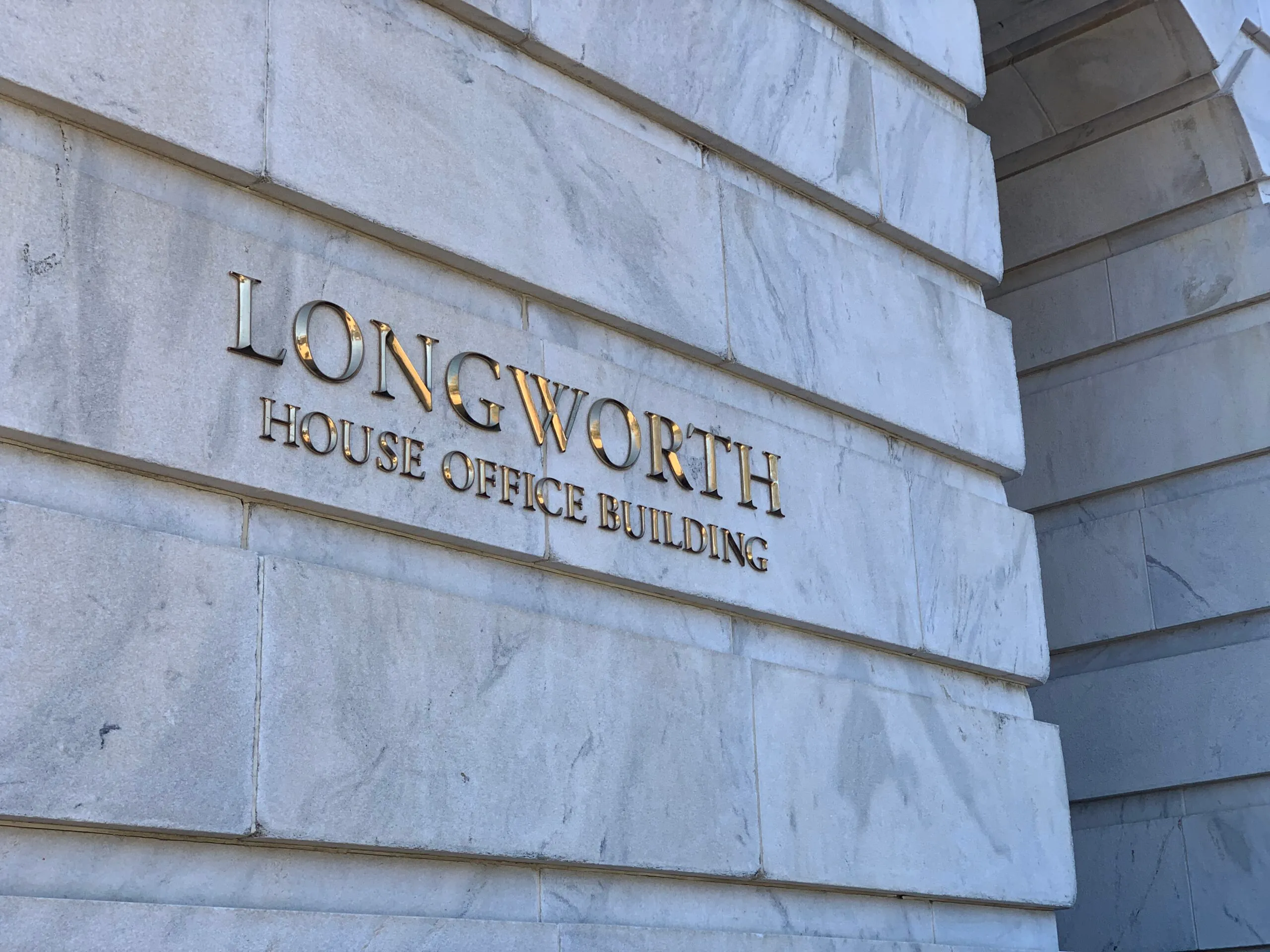
‘This Is Purely Gaming’: Inside the Tribal Fight Against Prediction Markets
It’s time for Native judges, including on the California Supreme Court | Opinion
.jpg)
No on Clarity
01
Bars prediction markets from offering traditional forms of gaming, including sports betting and casino-style games.
02
Preserves the Indian Gaming Regulatory Act, tribal-state compacts, and state and tribal authority over gaming.
03
Prevents decentralized finance from becoming a backdoor for unregulated nationwide gambling.
If those protections are not included, members of Congress should vote NO on CLARITY.
This is not a fight against innovation. It is a fight against regulatory evasion. Innovation should strengthen the rule of law — not create new ways to evade it.
Key Issues
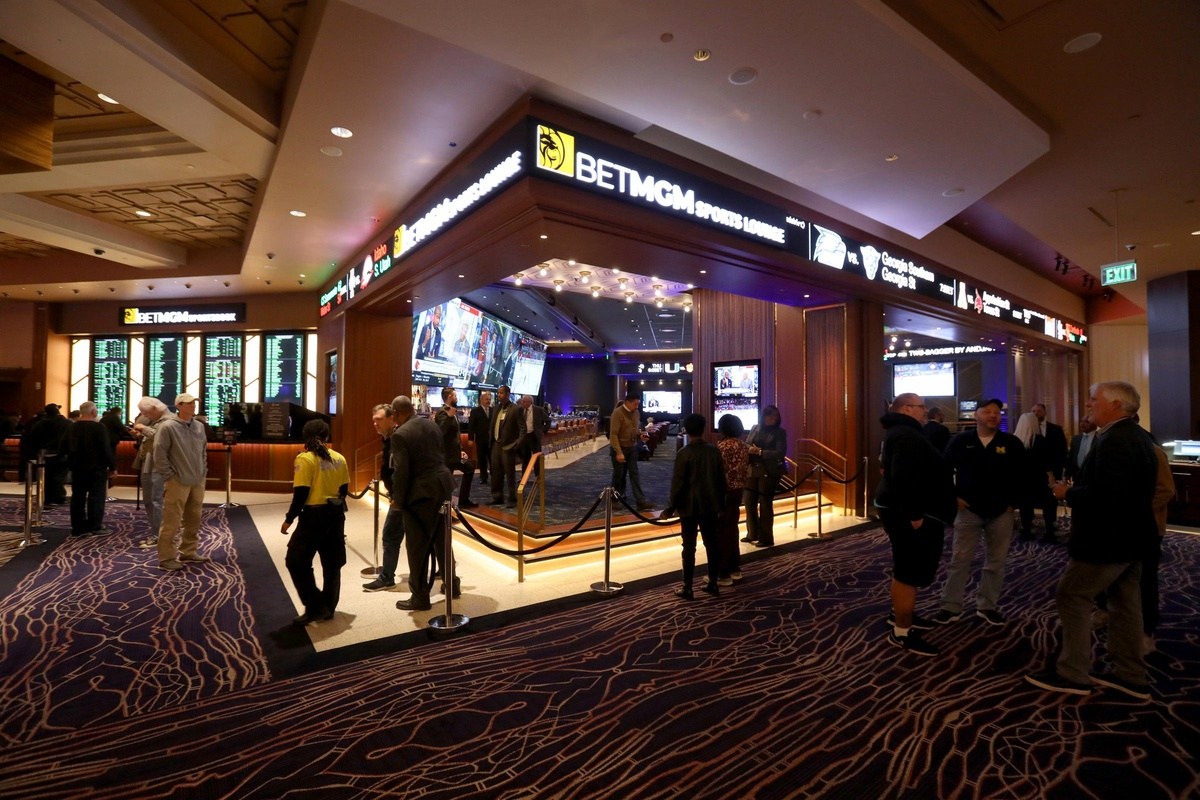
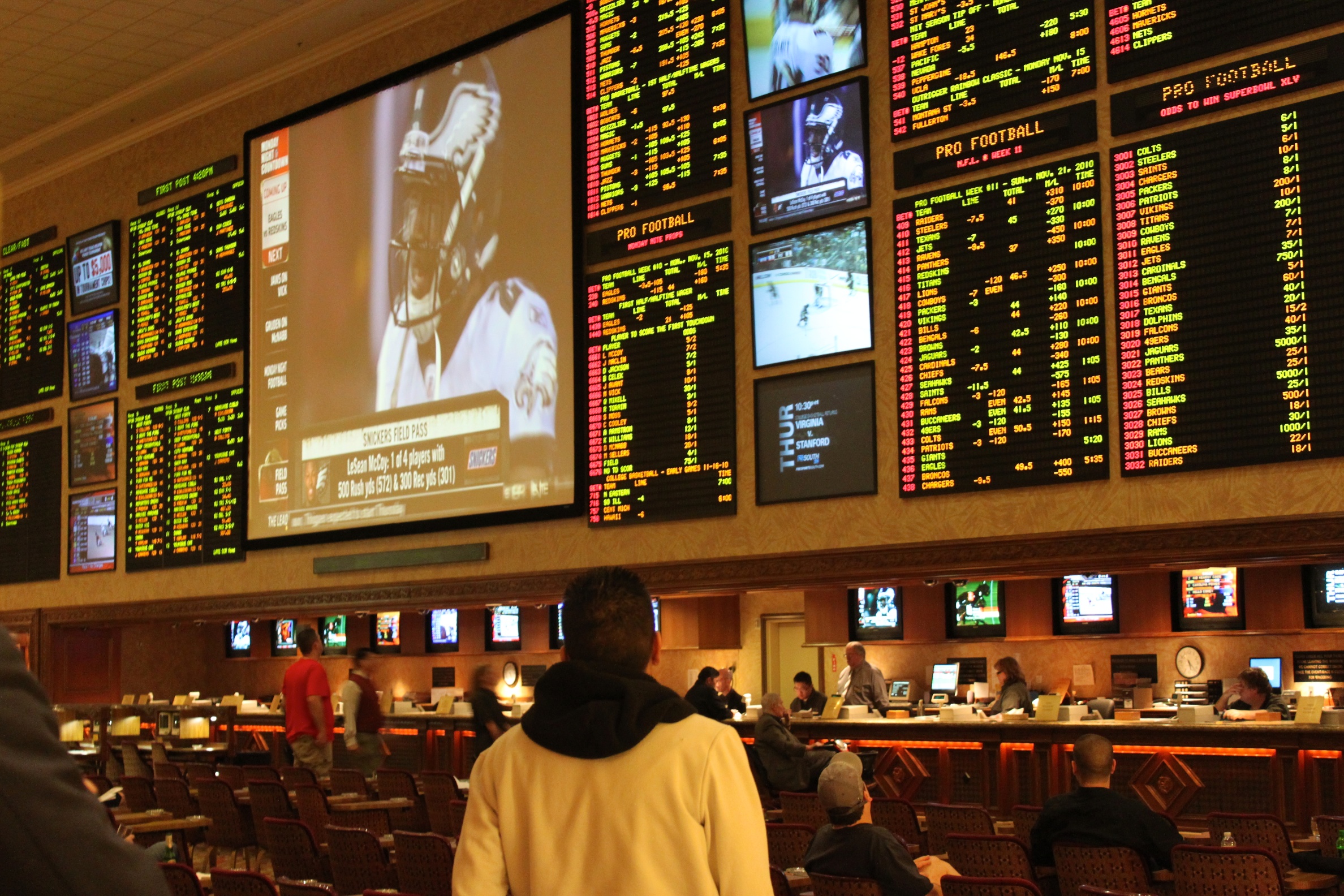
Sports Betting or Financial Product?
Prediction market companies contend that sports event contracts are financial products.
But consumers can risk money on the outcomes of sporting events, player performances, and other activities traditionally regulated as gaming. Changing the legal label does not change what consumers are doing.
The outcome of this fight will help define what counts as gaming, and how it is regulated, in the United States.
Tribal Sovereignty
For Tribal Nations, gaming is far more than an industry. It is one of the strongest expressions of modern tribal self-government and economic self-determination.
The Indian Gaming Regulatory Act established a framework that recognizes tribal authority over gaming. If prediction market companies can bypass that framework simply by calling gambling a financial product, the consequences extend far beyond gaming.
It threatens Tribal Nations’ ability to deliver the essential services their communities rely on every day.
Revenue generated through tribal gaming supports health care, education, housing, infrastructure, public safety, elder services, cultural preservation, and economic opportunity for Native communities across the country.

Consumer Protection
Legal gaming comes with safeguards, including:
- Age verification
- Responsible gaming requirements
- Licensing
- Financial oversight
- Integrity monitoring
- Regulatory enforcement
Prediction market companies argue many of those protections should not apply because their products fall under commodities law instead of gaming law. Consumers need to be protected by the laws and structure that has been built over the past four decades.

Federal Oversight
Prediction markets are no longer just a regulatory question. They are a question before Congress as well.
The Commodity Futures Trading Commission is considering how prediction markets should be regulated under the Commodity Exchange Act. At the same time, Congress is debating digital asset legislation that could reshape the Commission’s authority.
The CLARITY Act is a pivotal moment.
Without clear safeguards, the legislation could further blur the line between financial markets and gaming by expanding the CFTC’s authority while failing to explicitly preserve state and tribal authority over lawful gaming.
Together, the CFTC’s decisions and Congress’s actions will determine whether prediction markets remain limited financial tools — or become a nationwide gambling loophole operating outside the gaming laws that have governed sports betting and casino-style gaming for decades.